Supabase OAuth 2.1: Build Your Own Identity Provider
The Signal
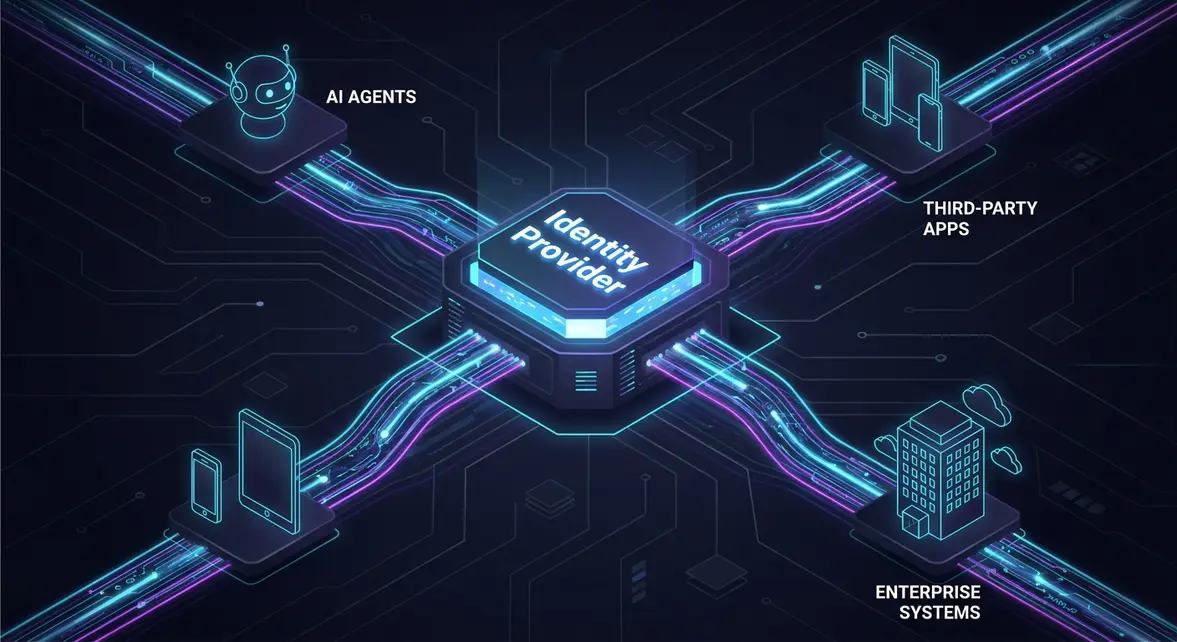
Supabase Auth has evolved beyond a standard authentication service into a comprehensive identity provider. By introducing OAuth 2.1 and OpenID Connect (OIDC) server capabilities, it allows your application to act as the central identity hub. This enables seamless "Sign in with Your App" functionality for third-party developers, AI agents, and enterprise SSO integrations.
The Architecture Shift
Transitioning to an identity provider fundamentally changes your system's trust boundaries. It shifts your platform from a closed ecosystem to an extensible, API-first hub. This requires strict adherence to modern token lifecycle management and secure delegation protocols.
- Systems Impact: Centralizes identity management, reducing the need for fragmented authentication silos across microservices.
- Performance: Introduces minimal latency overhead during the initial authorization code exchange, offset by efficient JWT validation at the edge.
- Scalability: Horizontally scales token issuance and validation, supporting high-throughput API consumption by AI agents and external integrations.
Implementation Pattern
Deploying this architecture requires configuring Supabase as your primary OIDC server. You must establish secure client registries and define granular scopes for external access. Follow these core steps to operationalize the provider.
- Configure the Provider: Enable OAuth 2.1 and OIDC features within your Supabase project settings.
- Register Clients: Create secure client credentials for third-party applications or AI agents requiring access.
- Define Scopes: Implement granular permission scopes to ensure external apps only access authorized user data.
- Handle the Flow: Implement the Authorization Code flow with PKCE to securely issue access and refresh tokens.
Fractional CTO Perspective
Becoming an identity provider is a massive strategic lever for B2B SaaS platforms. It transforms your product into a foundational platform, increasing stickiness and driving ecosystem-led growth. From an OPEX perspective, leveraging Supabase eliminates the need to build and maintain complex, compliance-heavy OIDC infrastructure in-house.
System Telemetry Source: Original Engineering Report
Related Growth Blueprints
All Blueprints →Need this architecture deployed in your pipeline?
Skip the synchronous sales cycle and endless discovery calls. Submit your core acquisition or conversion bottleneck for a deep-dive asynchronous growth diagnostic.